


When “Wellness” Goes Viral, Warning Light Turns Red
It flashes. It promises. It looks professional.Red-glowing ads, before/after photos, “clinic results,” and language that makes everything sound scientific.
But your body? It isn’t impressed by trends. It responds only to what actually works — and what is used correctly.

This article is based on professional assessments and experience from Anita Nordum, who has worked with therapeutic light (laser and LED) for more than 30 years. She holds a Bachelor’s degree in Sport Science, is a skin and body therapist, a certified therapeutic light therapist, and a selected member of WAALT.
She completes annual continuing education to stay aligned with the latest research and collaborates closely with doctors, professors, and professional communities internationally.
And she is crystal clear about one thing:
Red light alone is not therapy. It’s just light.
“When health becomes a trend, I see red,” Nordum says with a smile
Right now, “better health” is being sold like a new jacket: new season, new products, new “must-haves.”
The speed is what makes it dangerous.
Because when the market moves fast, this is what often happens behind the scenes:
equipment is copied without the same technology, materials, or safety
treatment becomes a “standard package” instead of a proper assessment
buzzwords replace competence
results are promised before anyone has even seen who is going to be treated
And here is the truth many don’t like to hear:
Anyone can sell products. But not everyone can sell knowledge and safety.
You notice it especially when completely different industries suddenly “discover” red light. When a supplier that normally produces and sells vacuum cleaners suddenly sells “red light therapy”… or when the local electrician starts offering “treatment” with a red lamp…
That shouldn’t impress anyone — it should raise awareness.
And what happens when the damage is already done — do they take responsibility? Nordum says she has seen customers suffer tissue damage from products never designed for skin treatment in the first place, but made simply to light up a room.
Because that’s what it often comes down to: it’s easy to sell light — it’s far harder to take responsibility for results.

“I think it helps a little” is a warning — not a goal
In health and treatment, “I hope it works — I think it helps a little” is one of the most underestimated warning signs there is.
Because “it helped a little” often really means: We don’t fully understand what’s happening — but we hope it turns out fine.
As Anita Nordum emphasizes: Professional practice is not about being the most exciting. It’s about being safe, precise, and accountable — even when no one is watching.
It’s about:
choosing the right solution for the right person
adjusting along the way
following up
being able to stand behind what you do
When these elements are missing, “treatment” becomes testing. And the klients become the test subject.
The Big Misunderstanding: “Red Light = Therapeutic Light Therapy”

Let’s say it clearly, because this is where many people get misled: Red light isn’t automatically light therapy — it’s simply red light. Therapeutic light therapy (PBM) is evidence-based — when used correctly. And “correctly” is not a marketing word. It’s a professional one.
The difference between quality and trend is often found in things you won’t see in an Instagram story:
how the technology is actually developed
what’s behind dosing and protocols
how treatment plans are assessed and adapted
whether someone takes responsibility when adjustments are needed — or when something doesn’t work
When that part is missing, we quickly end up in a “try this” culture. And “try this” isn’t treatment — it’s guesswork.
Ask yourself a very simple question:Do you believe the red light in your car’s taillights is therapeutic light therapy (PBM)? Of course not.
Yet, Nordum points out, this is exactly the core of the problem: in many cases, a similar type of red light is used in unqualified products and “treatments” on the market — simply wrapped in polished words and big promises.
That is why the distinction matters: Red light is not automatically light therapy, or PBM.True therapy requires knowledge, correct dosing, protocols, safe use — and the correct technology designed for the purpose. Without that, it’s just light.
Why Professionals Choose CTS
Caball Therapy Systems was founded by Anita Nordum in 2012 with a clear mission: to ensure that homes, clinics, and hospitals have access to both the right knowledge and the right technology to support people and animals — safely, effectively, and with confidence.
CTS is not positioned for “trend-driven” reselling. Our partner program is built for clinics and professional environments that prioritise quality over speed, and that recognise a proven framework delivers consistent results:
Knowledge + safe technology + proper follow-up.
This is why CTS partners with clinics and resellers who:
deliver treatments grounded in science and 30+ years of clinical experience
supply solutions validated through real-world use
uphold safe, effective, and responsible treatment pathways
require warranty, technical support, and aftersales that work in practice
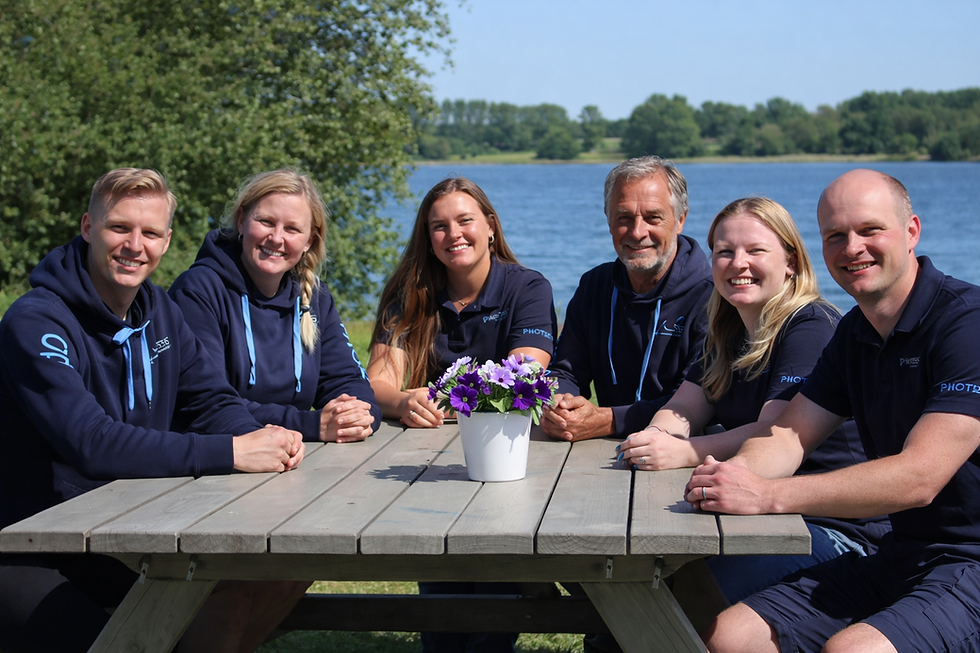
Certification Isn’t Decoration. It’s the Backbone of Safety.
There is a big difference between “being able to use a product” and being able to deliver a high-quality treatment plan.
When you choose practitioners certified through CTS Learning Academy, or clinics that work according to the BODYPRO Concept, you choose an environment that stands for:
a professional framework and quality system
personalized treatment plans (not standard packages for everyone)
competence that creates safety — for both practitioner and client
a serious partner behind you when something needs to be assessed, adjusted, or followed up
Good health is not a campaign
Good health is not a campaign. It’s the body — and everyday life. And in that context, “good enough” isn’t enough — it has to be right.
As Nordum emphasizes: when treatment promises outpace the competence behind them, it’s not innovation — it’s risk.
This is why the decision shouldn’t be driven by “the newest gadget,” but by professional standards, documentation, and the correct technology — used the correct way.
CTS is positioned for private individuals, clinics, and professional environments that choose quality and safety every time. Not because it sounds best — but because it performs best.

